Carpet cleaning on Lordship Lane expert local tips
If you live, work, or manage a property on Lordship Lane, you already know carpets take a beating. Mud from a quick dash to the shops, rain tracked in on a damp afternoon, pet hair in the corners, and the slow build-up of everyday life all show up eventually. Carpet cleaning on Lordship Lane expert local tips is really about getting better results with less stress: choosing the right method, avoiding common mistakes, and knowing when a carpet needs more than a quick vacuum. This guide brings together practical advice, local-minded judgement, and the sort of detail that helps you keep carpets looking fresher for longer.
Along the way, we'll cover what professional carpet cleaning actually involves, how to prep your rooms properly, what to do about stubborn stains, and how to judge whether steam cleaning, hot water extraction, or a lighter maintenance clean is the better fit. Truth be told, a lot of carpet problems are made worse by people trying too hard, too fast. Let's not do that.
Table of Contents
- Why it matters on Lordship Lane
- How the cleaning process works
- Key benefits and practical advantages
- Who this is for and when it makes sense
- Step-by-step guidance
- Expert tips for better results
- Common mistakes to avoid
- Tools, resources and recommendations
- Law, compliance, standards, or best practice
- Options, methods, or comparison table
- Case study or real-world example
- Practical checklist
- Conclusion
- Frequently asked questions
Why Carpet cleaning on Lordship Lane expert local tips Matters
Lordship Lane has a very everyday kind of wear pattern. It's not just heavy foot traffic in the obvious sense; it's the constant in-and-out rhythm of family homes, flats, small businesses, rentals, and shared entrances. Carpets in these spaces often collect fine grit, pollen, food crumbs, pet dander, and the kind of tracked-in dirt you only notice once the light hits it from the right angle. Then, suddenly, the hallway looks dull even if it was vacuumed yesterday.
That's why local carpet care is different from a one-size-fits-all approach. A terrace house near a busy stretch of road may need more frequent deep cleaning than a quiet first-floor flat. A rental property might need stain-focused cleaning before a changeover. An office or small retail space may need methods that dry quickly to reduce disruption. Local tips matter because local conditions matter. Not glamorous, but very real.
There's also the simple question of value. Good carpet maintenance extends the life of the pile, helps fibres stand up properly, and can delay the point where replacement becomes the only option. If you've ever stood in a room thinking, "It's not dirty exactly, just tired," you'll know the difference.
Expert summary: On Lordship Lane, the best carpet cleaning strategy is usually the one that matches your space, your schedule, and your carpet fibre-not the strongest cleaner on the shelf.
How Carpet cleaning on Lordship Lane expert local tips Works
Professional carpet cleaning usually starts with inspection. A good cleaner checks the fibre type, pile condition, staining, high-traffic areas, and any colour loss or previous repairs. That first look matters more than people think. Wool, synthetic blends, and delicate rugs all behave differently when moisture, heat, and detergent are introduced.
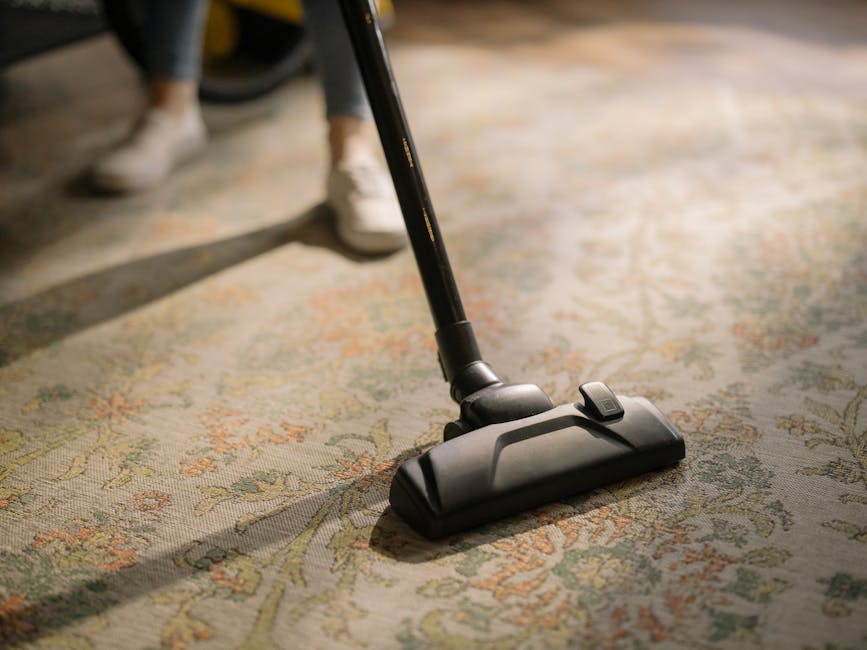
The most common method for deep carpet cleaning is hot water extraction, often called steam carpet cleaning in everyday conversation, though it's not literal steam in the way people imagine. The machine applies a cleaning solution, agitates the fibres, and extracts soil and liquid using powerful suction. When done properly, this removes embedded dirt far beyond normal vacuuming.
Some carpets need a gentler touch. Low-moisture maintenance cleaning can be useful where drying time is tight, or where the carpet is more sensitive. Spot treatment is often used before the main clean, especially for stains like coffee, wine, or pet accidents. For those tricky spillages, a specialist approach such as stain removal can make a noticeable difference, especially if the mark has been sitting there for a while.
In practical terms, the process usually looks like this:
- Inspect the carpet and identify fibre, wear, and stain type.
- Vacuum thoroughly to remove loose grit.
- Pre-treat spots and traffic lanes.
- Clean the carpet using the chosen method.
- Extract as much moisture as possible.
- Allow for safe drying and final grooming.
That final grooming step is easy to miss, yet it helps the pile dry more evenly and sit better once dry. Small detail, big effect.
Key Benefits and Practical Advantages
Clean carpets do more than just look nicer. They change how a room feels. Fresher fibres, less lingering odour, and a brighter surface can make a hallway or lounge feel better almost immediately. On a practical level, there are several benefits worth knowing about.
- Better appearance: Dirt flattens pile and dulls colour. Cleaning restores brightness.
- Improved freshness: Removing trapped odours helps rooms feel cleaner, not just look cleaner.
- Longer carpet life: Grit acts like sandpaper underfoot. Less grit means less wear.
- Better allergy management: While carpet cleaning is not a medical solution, removing dust and dander can improve general indoor cleanliness.
- More presentable homes and rentals: Useful before viewings, tenant changeovers, or family visits.
For landlords and letting agents, a well-maintained carpet can also reduce disputes at move-out. If you're preparing a property for new occupants, it can make sense to combine carpet work with end of tenancy cleaning or even move in cleaning if you want the whole place ready at once. That saves time, which frankly is what most people want at that point.
There's another benefit that gets overlooked: consistency. Once you know how your carpets respond, you stop reacting to every mark as a crisis. That alone can make life feel a bit more manageable.
Who This Is For and When It Makes Sense
This kind of carpet care makes sense for a wide range of people on and around Lordship Lane. If your home has children, pets, or regular visitors, the carpet is probably doing more work than you realise. If you rent out a flat, you'll likely need cleaning between occupancies or after a bad spill. If you run a business, carpets in reception areas, meeting rooms, or communal walkways tend to show wear sooner than the rest of the space.
Here's when it usually makes sense to book a proper clean:
- Visible traffic lanes are starting to look grey or flattened.
- Odours linger even after vacuuming and airing.
- You've had a drink spill, pet accident, or food stain.
- Someone in the household has sensitivities and you want a fresher indoor environment.
- You're preparing for guests, a property sale, or a tenancy handover.
- The carpet hasn't had a deep clean in a long time and you can feel the build-up underfoot.
One small but useful note: not every carpet needs full-scale deep cleaning straight away. Sometimes a targeted approach is better. A rug in a front room may need attention before the whole house does, and in those cases rug cleaning can be the smarter choice. Likewise, if the problem is mainly on a sofa or chair, you may be better off looking at upholstery cleaning rather than trying to solve everything through the carpet.
Step-by-Step Guidance
If you want the best possible result, a little preparation goes a long way. The cleaner can do the heavy lifting, of course, but the room setup often decides how smooth the visit feels.
1. Clear the floor properly
Move smaller items first: shoes, baskets, toys, side tables, and anything that tends to live on the carpet. If furniture is too heavy to shift safely, say so in advance. Don't wrestle a wardrobe around the room because you feel you should. You'll only end up with a scuffed floor and a sore back.
2. Vacuum before the appointment if possible
This is one of those little habits that gives a better finish. A vacuum removes loose debris so the cleaning process can focus on what's embedded in the fibres. If you skip this, the machine can still work, but you're asking it to do more than necessary.
3. Point out stains and trouble spots
Be specific. "There's a mark near the door" is useful. "The coffee stain by the left side of the radiator happened three months ago" is better. Older stains can need extra treatment, and some marks have already bonded with the fibre. No drama. Just useful information.
4. Decide on the right method
Hot water extraction suits many deep-cleansing jobs, while lighter maintenance methods may be better for delicate carpets or busy premises that need quicker drying. If you're unsure, ask what suits the fibre rather than just asking for the strongest clean.
5. Plan for drying time
Drying varies with pile, airflow, temperature, humidity, and how much moisture was used. Open windows if weather and security allow, and avoid placing furniture back too soon. Walking on a damp carpet too early can flatten the pile and re-soil the surface. A bit annoying, but avoidable.
6. Groom and protect afterwards
Once dry, vacuum lightly to restore the pile. If a room sees a lot of use, consider entrance matting or a regular maintenance plan through regular cleaning. Little habits like that make a surprisingly big difference over time.
Expert Tips for Better Results
Here's where local experience really pays off. The best results usually come from the small decisions made before and after the clean, not just the cleaning machine itself.
- Test treatments in an out-of-the-way spot. Even a good product can react badly with a specific dye or fibre.
- Blot, don't rub, fresh spills. Rubbing pushes the stain deeper and can fuzz the pile.
- Lift soil before it grinds in. On busy streets, fine grit is the enemy. Frequent vacuuming matters more than people think.
- Use mats at entrances. Especially in wetter months. One damp November morning can undo a lot of good work.
- Deal with odours at the source. If pets are involved, a general clean may not be enough. Pet stain odour removal is often the more appropriate route.
- Choose a cleaner who explains drying time honestly. If someone promises instant results for every carpet, that's... optimistic, let's say.
Also, if your carpet sits under curtains or heavy fabrics, dust from nearby textiles can settle back into the room after cleaning. In homes where that's a pattern, pairing the work with curtain cleaning can improve the overall result. It's the whole room effect that matters, not just one surface.
One more thing: sometimes stains look worse after the carpet dries because residue rises to the surface. That's normal with certain marks. It does not always mean the clean failed. Ask before you panic. Good questions help more than guesswork.
Common Mistakes to Avoid
Most carpet problems that get worse do so because of well-meant mistakes. You've probably seen a few of these already.
- Using too much detergent. More product does not mean more cleaning. It often means sticky residue and faster re-soiling.
- Scrubbing aggressively. This can damage fibres and spread stains wider.
- Ignoring the fibre type. Wool and synthetics don't always need the same approach.
- Putting furniture back too soon. Damp legs can leave marks, and trapped moisture can create mustiness.
- Waiting too long on stains. Fresh spills are far easier to treat than set-in ones.
- Skipping the vacuum stage. That grit has to go somewhere, and ideally not deeper into the pile.
There's also the "DIY miracle" trap. We all like a bargain, but a random product from under the sink can do more harm than good. If you're unsure, especially with wool carpets or expensive rugs, a cautious approach is the sensible one. Boring? Maybe. Effective? Definitely.
Tools, Resources and Recommendations
You do not need a van full of equipment to look after carpets properly, but a few basics make life easier. Most homes and small premises benefit from the following:
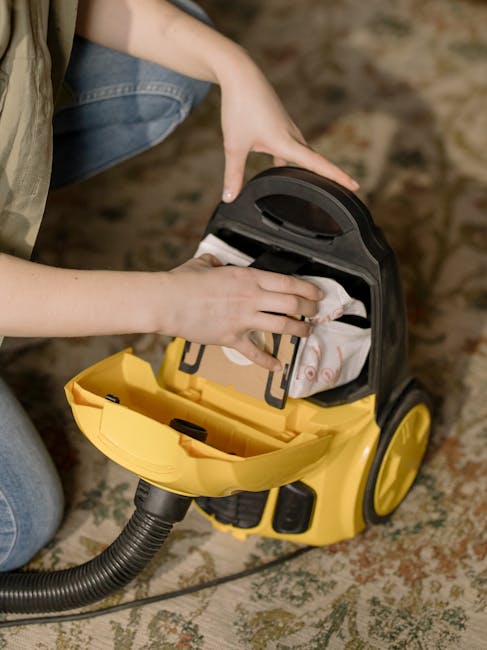
- A decent vacuum cleaner with a brush setting for general soil removal.
- Microfibre cloths for blotting fresh spills.
- A neutral carpet spot treatment suitable for your fibre type.
- Fans or airflow support to help with drying after a clean.
- Entrance mats to catch dirt before it gets to the carpet.
If you want a fuller clean across multiple soft furnishings, it can help to plan services together. Many households pair carpet work with sofa cleaning or mattress work when the goal is to freshen a whole room. In larger premises, especially shared buildings or business spaces, a broader service like communal area cleaning or even commercial cleaning may make more sense than treating each problem in isolation.
If you're comparing providers, ask practical questions: What method will they use? How long will drying take? Can they handle pet odours? Do they have insurance in place? The answers tell you a lot. And if they can't explain the process in plain English, that's worth noticing.
Law, Compliance, Standards, or Best Practice
For most household carpet cleaning, this is mainly a best-practice issue rather than a heavily regulated one. That said, there are sensible expectations that matter. Any professional cleaner should work safely, use appropriate products, and take care around electrical equipment, slip risks, and wet surfaces. In a home, that means protecting floors, warning about drying time, and not leaving hazards behind. In a commercial setting, it means planning around occupancy and access so people are not walking through a wet area.
Good practice also means clear communication. If a cleaner sees pre-existing fibre wear, colour loss, or a stain that may not fully lift, that should be explained honestly before or after treatment. Guesswork helps nobody. You want informed expectations, not airy promises.
If you are using a service provider, it is sensible to look at pages such as insurance and safety and health and safety policy to understand how they approach risk and site care. For pricing clarity, pricing and quotes can also help you compare what's included. Those details matter more than a flashy sales line.
Best practice in carpet care is simple: match the method to the material, manage moisture carefully, protect people from slips, and be honest about what cleaning can and cannot fix. That's the standard worth aiming for.
Options, Methods, or Comparison Table
Not all carpets need the same approach. A quick comparison helps you decide what fits your space.
| Method | Best for | Strengths | Watch-outs |
|---|---|---|---|
| Hot water extraction | Most domestic carpets, deep soiling, traffic lanes | Deep soil removal, strong refresh, widely used | Needs proper drying time |
| Low-moisture cleaning | Delicate carpets, busy premises, quicker turnaround | Faster drying, less disruption | May be less intensive on deep-set soil |
| Spot treatment | Isolated stains and odours | Targets specific problems | Not a full-room solution |
| Maintenance vacuuming and grooming | Everyday upkeep | Keeps soil from building up, improves appearance | Won't remove embedded dirt alone |
If your carpet is on the older side or already showing wear, a softer method may be better than trying to "blast" it clean. That sounds obvious, yet people still do the opposite. Strange, really.
Case Study or Real-World Example
Consider a typical London scenario. A family home near Lordship Lane has a hallway carpet that looks patchy, especially by the entrance and along the turn into the stairs. There's also a faint smell near the front door from wet shoes and a dog that likes the window seat. Nothing dramatic, but the carpet feels tired.
The first step is a proper inspection. The cleaner identifies a synthetic carpet with flattened traffic lanes, a couple of older drink marks, and a pet-related odour issue near the entrance. Instead of using one heavy treatment everywhere, the room is handled in stages: the dirt lanes are pre-treated, the stains are treated separately, and the odour area gets a more focused approach. The carpet is then cleaned with controlled moisture and extracted thoroughly.
What changed? Not magic. Just the right sequence. The hallway looked brighter, the pile stood up better, and the room no longer carried that damp, lived-in smell at the end of a rainy day. The family then added mats at the door and started vacuuming the hallway more often. Honestly, that last part did as much long-term good as the clean itself.
For businesses or landlords, the pattern is similar. If a small office or rental flat needs a broader reset, combining carpet care with one off cleaning or deep cleaning can be a sensible move. It keeps the result coherent rather than patchy.
Practical Checklist
Use this before, during, and after carpet cleaning on Lordship Lane.
- Identify the carpet type if you can.
- Vacuum the room before the appointment.
- Point out stains, odours, and high-traffic spots.
- Move light furniture and fragile items out of the way.
- Ask how long drying is likely to take.
- Open windows or improve airflow where safe to do so.
- Keep pets and children off the carpet while it dries.
- Do not scrub fresh spills.
- Blot stains gently with a clean cloth.
- Vacuum again once the carpet is fully dry.
- Use entrance mats to slow future dirt build-up.
- Book periodic cleaning before the carpet looks badly worn.
If you want the strongest overall result, the real secret is consistency. Not perfection. Just consistency.
Conclusion
Carpet cleaning on Lordship Lane expert local tips comes down to matching the right method to the right carpet, preparing properly, and being realistic about what a clean can achieve. That's the pattern you see again and again in good results. Clear floors, sensible moisture control, prompt stain treatment, and a bit of regular maintenance will usually outperform last-minute panic every time.
Whether you're looking after a family home, a rental, or a small commercial space, the same principle holds: treat the carpet as part of the room's daily life, not just an item to fix when it looks bad. That mindset saves money, keeps things fresher, and makes the whole place feel better to live in. Simple enough, really.
Get a free quote today and see how much you can save.
And if nothing else, give the carpet a bit of breathing room now and then. It will thank you in its own quiet way.
Frequently Asked Questions
How often should carpets be cleaned on Lordship Lane?
It depends on traffic, pets, children, and whether the space is domestic or commercial. Busy hallways and living rooms often need deeper cleaning more often than spare rooms. If the carpet starts to look flat or hold odours, that's usually your cue.
Is steam carpet cleaning safe for all carpet types?
Not always. Many carpets respond well to hot water extraction, but delicate fibres or older carpets may need a gentler approach. A proper inspection first is the safest way to avoid damage.
What should I do before a carpet cleaning appointment?
Vacuum the area, move smaller items, and point out stains or problem spots. If there are heavy pieces of furniture, tell the cleaner in advance rather than trying to move them yourself at the last minute.
How long does carpet drying usually take?
Drying time varies with carpet type, room temperature, airflow, and how much moisture was used. Some areas may dry fairly quickly, while thicker carpets can take longer. Good airflow helps a lot.
Can old stains be removed completely?
Sometimes, but not always. Fresh stains are much easier than old ones. Some marks have already set into the fibres or affected the dye, so a cleaner should explain the likely outcome honestly.
Will carpet cleaning remove pet odours?
It can reduce them significantly, but pet odours often need a targeted treatment rather than a standard clean. For stronger smells or repeated accidents, specialist odour treatment is usually the better route.
Is carpet cleaning worth it for a rental property?
Yes, especially between tenancies or before a new move-in. It can improve presentation, reduce lingering smells, and help the property feel properly reset. That matters more than people think.
What's the difference between carpet cleaning and rug cleaning?
Carpet cleaning is usually done in place, while rugs may be cleaned more carefully depending on backing, fibre, and size. If the item can be lifted and handled separately, rug cleaning may be the better option.
Can I walk on the carpet straight after cleaning?
It's better to wait until it is fully dry. Walking on damp fibres can flatten the pile and reintroduce dirt. If you really must cross the room, use clean indoor footwear and keep it minimal.
How do I stop carpets getting dirty again so quickly?
Use entrance mats, vacuum regularly, treat spills quickly, and avoid over-wetting the carpet during spot cleaning. A little routine care goes a long way. Honestly, that's where most of the savings are.
Should I choose the cheapest carpet cleaning option?
Not necessarily. Price matters, of course, but so do method, drying time, insurance, and the cleaner's ability to handle your carpet type. Cheapest and best are rarely the same thing.
Can carpet cleaning help if the room just feels stale?
Yes. Carpets trap fine dust and everyday odours, so a proper clean can freshen a room noticeably. If the whole space feels stale, pairing it with other soft-furnishing care may help even more.