Health and Safety Policy for Cleaners Dulwich
 This Health and Safety Policy sets out the standards expected from cleaners in Dulwich and from everyone involved in delivering cleaning services. Its purpose is to reduce risk, protect wellbeing, and ensure that all work is carried out in a safe, consistent, and professional manner. The policy applies to domestic, commercial, and specialist cleaning tasks, and it should be followed by all staff, supervisors, and contractors.
We recognise that cleaning work can involve slips, trips, manual handling, chemical exposure, and contact with potentially contaminated surfaces. For that reason, every cleaner Dulwich team member must understand the hazards of each task before starting work. Safety is not treated as an extra step; it is built into planning, equipment use, and daily routines. All procedures should be completed with care, attention, and good judgement.
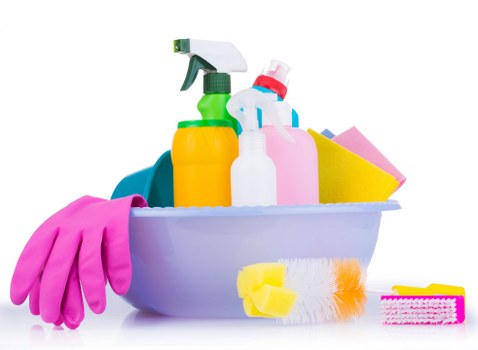 Risk assessments must be carried out before work begins, especially where tasks involve heights, wet floors, sharp objects, or cleaning agents. Supervisors should identify hazards, determine control measures, and confirm that all workers are equipped to complete the job safely. If a cleaning task changes during the day, the risk assessment should be reviewed immediately. This helps ensure that cleaning services Dulwich remain safe and reliable in changing environments.
Safe working practices include wearing suitable personal protective equipment, using the correct dilution of products, and keeping equipment in good condition. Gloves, non-slip footwear, and protective clothing should be worn where appropriate. Workers must be trained to read product labels, understand warning symbols, and follow manufacturer instructions. Health and safety for cleaners also depends on keeping work areas tidy, storing tools correctly, and avoiding unnecessary haste.
The safe use of chemicals is a major concern in any Dulwich cleaning operation. Cleaning products must never be mixed unless specifically instructed, and containers should always be clearly labelled. Staff should know how to handle spills, ventilation needs, and first-aid responses for accidental splashes or inhalation. Where possible, milder or low-risk alternatives should be selected to reduce exposure. Hazardous substances should be stored securely and away from food, heat, and unauthorised access.
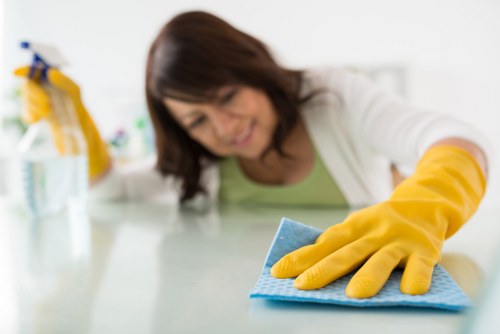 Manual handling is another area requiring care. Lifting buckets, moving furniture, carrying vacuum equipment, and transporting supplies can all create strain if done incorrectly. Workers should bend at the knees, keep loads close to the body, and ask for help with heavy or awkward items. If a task feels unsafe, it should be paused and reassessed. The aim is to prevent injury and support long-term safe cleaning practice.
Slips and trips are among the most common cleaning hazards, particularly when floors are wet or cluttered. Warning signs should be used whenever surfaces are being cleaned, and passageways should be kept clear whenever possible. Tools, cords, and buckets must not block exits or create trip points. After cleaning, floors should be checked to make sure they are left in a safe condition. This approach supports professional cleaners in delivering work without avoidable accidents.
 Workplace hygiene is equally important. Hands should be washed regularly, especially after handling waste, chemicals, or dirty materials. Disposable items must be removed responsibly, and waste should be separated where required. If a worker is dealing with biohazards or bodily fluids, enhanced precautions must be taken, including suitable protective equipment and disinfection procedures. Maintaining good hygiene protects both staff and the people who use the cleaned space.
Equipment safety must not be overlooked. Electrical items should be checked before use, and damaged cables or faulty machines must be taken out of service immediately. Cleaning tools should be used only for their intended purpose and stored in a way that avoids damage or contamination. Cleaners Dulwich should also receive instruction on using ladders, step stools, and other access equipment safely, including maintaining three points of contact and avoiding overreaching.
Training and supervision are central to this policy. Every worker should receive induction training, task-specific instruction, and refresher updates when procedures change. Training should cover safe product use, emergency actions, manual handling, infection control, and incident reporting. Managers must monitor compliance and provide support when standards are not being met. A well-trained cleaning team is more likely to work safely and confidently.
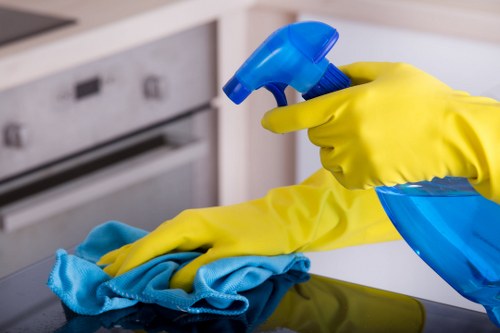 Emergency procedures must be understood by all staff. In the event of an injury, chemical incident, fire alarm, or unexpected hazard, workers should stop work, make the area safe if possible, and follow the site’s emergency arrangements. First-aid kits should be accessible, and incidents should be reported promptly so that lessons can be learned. Serious or repeated safety concerns should trigger a review of work methods and controls.
Monitoring and review are essential to keeping this policy effective. Health and safety arrangements should be checked regularly, and any new risks should be recorded and addressed without delay. Feedback from inspections, incident reports, and day-to-day observations should inform improvements. By maintaining high standards, cleaners in Dulwich can provide a service that protects people, property, and reputation while promoting a culture of care and responsibility.