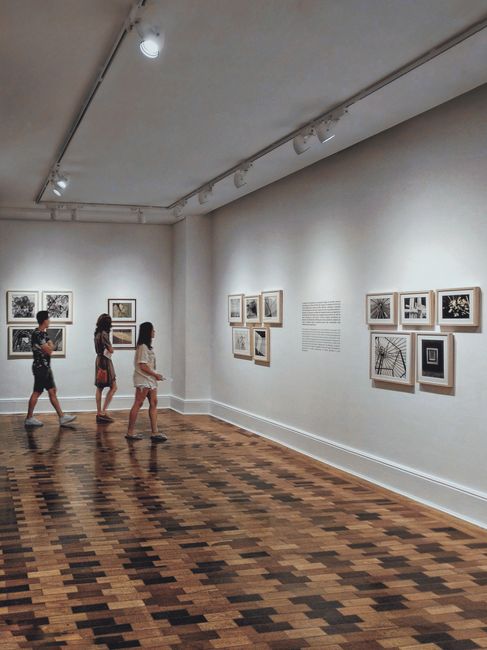
Cleaning for Dulwich Picture Gallery events and exhibits
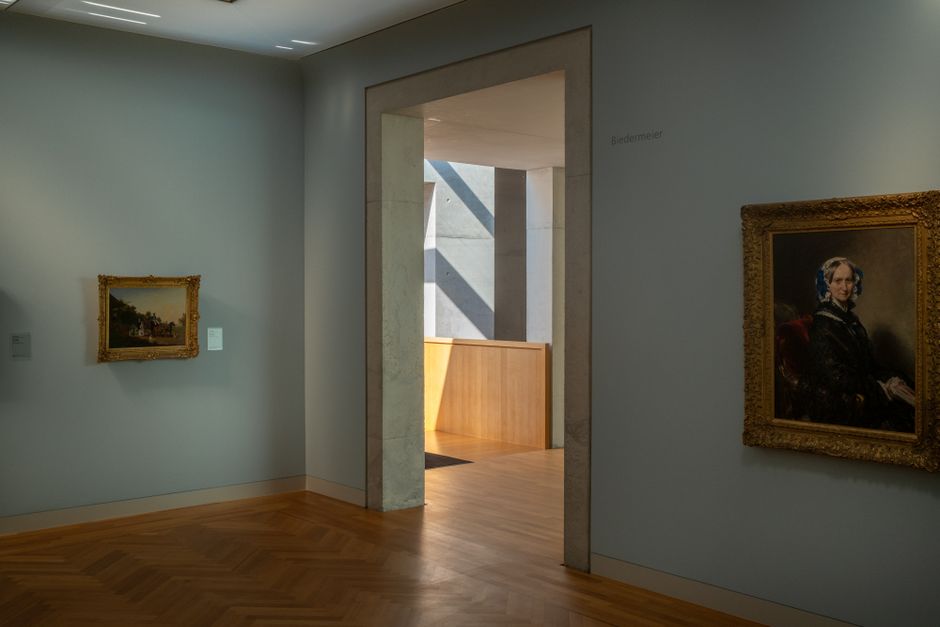
If you are responsible for an event, private viewing, exhibition changeover, or gallery hire, cleaning is not just a tidy-up at the end. It shapes how the space feels the moment guests walk in. With Cleaning for Dulwich Picture Gallery events and exhibits, the aim is simple: protect artwork, keep visitors safe, and make sure every surface looks calm, polished, and ready. That means dust control, floor care, discreet waste removal, and careful attention to high-touch areas without disturbing the flow of the gallery. Done properly, it feels invisible. That is the point.
This guide breaks down how specialist gallery cleaning works, what to plan for, common mistakes to avoid, and how to prepare the building for exhibitions and events without creating risk or disruption.
Why Cleaning for Dulwich Picture Gallery events and exhibits Matters
Gallery spaces are a strange mix of delicate and busy. One room may hold fragile works on paper, while the next handles a steady stream of visitors, catering staff, installers, speakers, and security. That is why cleaning for events and exhibits has to be planned with more care than a standard venue clean. You are not just removing visible dirt. You are managing dust, fingerprints, scuff marks, spill risks, odours, and the small everyday mess that builds up around people moving in and out of a beautiful space.
In a picture gallery, even a tiny lapse can show. A dull patch on a hard floor, a streak on glass, a crumb near a plinth, or dust along skirting can change the whole impression of the room. And let's face it, people notice these things even if they do not consciously mention them. They just feel the difference.
There is also a conservation angle. Exhibits need a clean environment that reduces the chance of airborne dust settling on surfaces, display furniture, or sensitive fixtures. Event cleaning also supports visitor comfort, especially when crowds gather in narrow circulation spaces, entrance areas, and cloakrooms. A clean gallery is easier to navigate, smells fresher, photographs better, and gives organisers fewer last-minute headaches.
Expert summary: The best cleaning for gallery events and exhibits is controlled, quiet, and preventative. It is less about making things look shiny and more about protecting the space before problems appear.
For organisers working across multiple spaces, this usually sits within wider commercial cleaning planning, but galleries need an extra layer of care because the environment contains valuable cultural items and often has very specific access rules.
How Cleaning for Dulwich Picture Gallery events and exhibits Works
Most gallery cleaning follows a phased approach. The timings may change depending on whether you are preparing for a one-night event, a multi-day exhibition, or a changeover between shows. The core idea stays the same: clean methodically, protect the artwork, and keep disruption to a minimum.
1. Pre-event assessment
Before anyone picks up a cloth, the team should walk the space. That assessment identifies the floor types, access routes, fragile finishes, display layouts, contamination risks, and any areas that should be left alone. If there are carpets, polished floors, curtains, fabric seating, or high windows, the cleaning plan should reflect that. A gallery with a long stone corridor, for example, will need different treatment from a room with carpeted reception areas.
2. Sensitive-area planning
The cleaner or supervisor should map out where protective materials are needed, where vacuuming is safe, and which tasks must happen outside public hours. This is where timing matters. Early morning and post-event cleaning can both work, but the best option depends on footfall, loading schedules, and installation activity. In practice, one missed courier or late technician can throw everything off. It happens.
3. Dust, floor and surface cleaning
Dust control is usually the first real task. That means careful vacuuming with suitable attachments, wiping ledges and low-risk surfaces, and cleaning touchpoints such as handles, rails, reception counters, and lift buttons if present. Floors are then treated according to finish. Hard flooring often needs a neutral cleaner and a non-slip finish, while textiles and rugs may require separate care, such as carpet cleaning or rug cleaning where appropriate.
4. Detail cleaning for presentation
Once the main clean is done, the detail work starts. That is the difference between acceptable and genuinely event-ready. Think glass, edge lines, skirting boards, discreet marks on doors, fingerprints on polished surfaces, and any visible residue near signage or display stands. For fabric seating or soft furnishings used in hospitality areas, upholstery cleaning may be needed before or after the event cycle, depending on usage.
5. Post-event reset
After the event, the building usually needs a reset clean. This often includes waste removal, spot-cleaning spills, restoring floors, checking toilets and staff areas, and making sure the gallery is ready for normal operations or the next installation phase. If there has been catering, music, or a large guest list, the clean tends to be more involved than people expect. A few dropped canapes can seem minor, but on a light floor they can leave a surprisingly visible trail.
Key Benefits and Practical Advantages
Well-planned gallery cleaning delivers more than a neat appearance. It supports the whole visitor experience and reduces pressure on the operations team.
- Better first impressions: Guests arrive to a space that feels orderly, calm, and cared for.
- Reduced conservation risk: Regular dust removal helps limit residue on display areas and surrounding surfaces.
- Safer movement: Clean floors and tidy circulation routes reduce slip and trip risks, which is especially important around entrances and busy event zones.
- More reliable event turnaround: Fast, structured cleaning makes changeovers less stressful.
- Better hygiene in shared areas: Cloakrooms, toilets, kitchens, and staff spaces need extra attention during busy periods.
- Less visible wear and tear: Prompt cleaning helps protect floors, glass, fixtures, and furniture from long-term staining.
There is a softer benefit too. A clean venue changes the mood of the room. People stand a little straighter. Staff feel more in control. The whole place just settles. That sounds small, but in a gallery setting it matters.
For areas with larger public circulation, teams sometimes combine event cleaning with communal area cleaning principles, especially where entrances, lobbies, and shared corridors need consistent presentation.
Who This Is For and When It Makes Sense
This kind of cleaning is relevant for anyone involved in a gallery event lifecycle. If you manage, host, install, plan, or support a show, chances are you need it more than once.
- Event organisers planning private hires, receptions, talks, or launch evenings.
- Gallery operations teams managing public opening hours, changeovers, and housekeeping.
- Exhibition installers who need the space cleared, protected, and handed over cleanly.
- Catering teams working in temporary service zones that must be reset quickly.
- Venue managers who need reliable standards across repeat events.
- Facilities coordinators dealing with cleaning schedules, access control, and contractor handovers.
It makes sense whenever the space must look immaculate without risking the exhibits, or when a normal cleaning routine simply cannot keep up with footfall, installation dust, and event debris. If your timetable is tight, you will notice the gaps quickly. A gallery clean is not something to leave for "later this afternoon" and hope for the best.
For some teams, a structured one-off cleaning visit works best around a single event or exhibition launch. For others, regular scheduling is more efficient because the building never really returns to a low-use state for long.
Step-by-Step Guidance
If you are planning cleaning for an event or exhibit, the easiest way to reduce stress is to work backwards from the opening time. That simple habit saves a lot of last-minute panic.
- Confirm the event scope. Identify the rooms in use, the guest numbers, the catering plan, and whether any exhibits need extra protection.
- Review access and timing. Agree when cleaners can enter, where equipment can be stored, and which areas are off limits during installation or rehearsal.
- Walk the space before cleaning. Check for dust, stains, floor issues, and anything fragile near the work area.
- Prioritise high-risk zones. Entrances, toilets, catering points, and circulation routes should come first.
- Use the correct methods for each surface. Hardwood, stone, carpet, glass, fabric, and painted finishes all need different handling.
- Carry out detail cleaning. Tidy edges, remove fingerprints, polish safe surfaces, and inspect under lighting. Gallery lighting reveals everything, annoyingly so.
- Do a final presentation check. Look at the room from the visitor's eye line, not from cleaning height. What do people see first?
- Reset after the event. Clear waste, inspect floors, address spills, and prepare the space for the next use or the following morning.
If any part of the clean involves stubborn marks on hard surfaces or display-adjacent furniture, it is usually better to deal with them early using proper stain removal methods rather than leaving a shadow behind for the next day's visitors to spot.
Expert Tips for Better Results
In our experience, the biggest difference comes from discipline rather than expensive products. Good gallery cleaning is often about habits.
- Work from clean to dirty. Start with the least contaminated zones and move towards the messiest areas so you do not drag residue around.
- Use low-dust methods. Dry sweeping can kick particles into the air. Vacuuming with suitable attachments is usually safer.
- Protect floors early. Temporary runners or protective coverings can save a lot of time later, especially during install and breakdown.
- Keep scent neutral. Strong fragrances can feel intrusive in a gallery space. Fresh should not mean perfumed.
- Check corners and base levels. Dust tends to gather where the eye barely looks until lighting catches it. Then it is all anyone sees.
- Build in a final pass. A second walk-through after the main clean catches fingerprints, crumbs, and smudges that always seem to reappear. Strange, but true.
- Coordinate with other contractors. Cleaners should not be battling installers, caterers, or AV teams for the same corridor.
When a gallery also has window-facing reception areas, high-level glazing, or visible exterior frontage, presentation can be improved further with window cleaning and, where relevant, broader building care such as facade cleaning. You do not always need both, but when the exterior is part of the guest arrival, it helps.
One small but useful habit: keep a tiny log of what was done after each event. Nothing fancy. Just a simple note on stains, broken items, floor marks, or access issues. It becomes gold dust later.
Common Mistakes to Avoid
Most cleaning problems in event spaces come from rushing, not from lack of effort. The space looks simple from the door, but the detail work is where things go wrong.
- Using the wrong products on the wrong surface. A cleaner that works fine on one floor can dull or damage another.
- Cleaning too close to artwork or sensitive displays without checking permissions. Even careful movement can create risk.
- Ignoring the post-event reset. A room can look fine at 9 p.m. and awful by 8 a.m. if spill spots and waste are left unattended.
- Forgetting hidden high-touch points. Handrails, switches, door pushes, and back-of-house handles are easy to miss.
- Over-wetting carpets or fabrics. That leads to slow drying, odour risk, and visible marks.
- Leaving floor care until last. Floors often define whether a room feels finished.
- Not allowing enough drying time. Especially after deeper treatment, wet patches and blocked walkways create avoidable headaches.
Another common mistake? Assuming the gallery needs the same clean every time. It does not. A small lecture, a seated dinner, and a crowded launch night each leave different traces.
Tools, Resources and Recommendations
You do not need a warehouse of specialist gear, but the right kit matters. For gallery work, the main goal is control. Gentle, precise, and tidy.
| Cleaning need | Best-practice approach | Notes |
|---|---|---|
| Dust and loose debris | Vacuum with suitable attachments | Helps reduce airborne particles and protects finishes |
| Hard floors | Neutral cleaning solution and mop system | Avoid over-wetting and check slip risk |
| Carpeted areas | Targeted vacuuming or steam carpet cleaning where appropriate | Allow enough drying time before opening |
| Soft furnishings | Careful spot treatment or sofa cleaning | Test first where possible |
| Glass and polished surfaces | Lint-free cloths and controlled product use | Avoid streaking and residue |
| Event spill zones | Immediate spot cleaning and inspection | The faster you catch it, the better |
For teams that need a broader reset around the venue, deep cleaning is often the right starting point before a major exhibit or event cycle. If the space has mixed-use back rooms, storage, or staff areas, a deeper service can make ongoing maintenance much easier.
Some galleries also benefit from scheduled regular cleaning for public-facing areas, with one-off support added around launches and installation periods. That combination tends to be practical, not fancy, and practical wins.
Law, Compliance, Standards and Best Practice
Cleaning in a cultural venue carries a duty of care. You are working around visitors, staff, contractors, and valuable objects, so risk control matters as much as appearance. The exact requirements will depend on the venue's own procedures, but in the UK it is sensible to align cleaning work with recognised health and safety practice, safe chemical use, and appropriate training for the surfaces involved.
For example, teams should be aware of manual handling, safe storage of equipment, control of wet floors, and the correct handling of cleaning products. If you are dealing with public spaces, your own venue procedures and risk assessments should guide timing, access, and supervision. That is especially true where artwork, archives, or high-value finishes are close by.
It is also good practice to use insured contractors, maintain clear handover notes, and agree responsibilities for spill response, waste removal, and access. If a contractor is working before the public arrives, they should know exactly what must be left untouched and what can be reset. Clear instructions save arguments later. And honestly, they save time too.
Where a site has sustainability commitments, it can be sensible to choose methods that reduce waste, conserve water where feasible, and separate recyclable materials properly. For more on a responsible approach, see the company's recycling and sustainability information. Security and trust also matter, so using a provider with clear insurance and safety arrangements is a sensible check before any event or exhibit schedule is confirmed.
Options, Methods, or Comparison Table
Different gallery situations call for different cleaning methods. The right choice depends on timing, footfall, and the level of risk around the display.
| Method | Best for | Pros | Limitations |
|---|---|---|---|
| Light maintenance clean | Daily or in-between visitor periods | Quick, low disruption, keeps spaces presentable | Won't tackle heavy buildup or event residue |
| One-off event clean | Launches, talks, private hires | Flexible, targeted to the day's needs | May not be enough for repeated usage without follow-up |
| Deep clean | Before a major exhibit or after heavy footfall | Better detail, stronger reset, improved presentation | Requires more time and access |
| Floor-focused clean | High-traffic halls and circulation routes | Reduces slip risk and visible wear | Needs correct method for the floor finish |
| Fabric and textile treatment | Seating, curtains, rugs, upholstered areas | Improves appearance and freshness | Drying times and material sensitivity matter |
For some spaces, especially if the venue has heritage-style interiors, curtain-lined rooms, or textile-heavy reception areas, curtain cleaning can be part of the wider plan. That sort of detail often gets missed, then the room still feels "not quite done."
Case Study or Real-World Example
Picture a late-afternoon exhibition opening. The installers have finished, floristry is arriving, the catering team is testing service trays, and someone has already knocked over a few drops of water near the entrance. Nothing dramatic. Just enough to make a polished floor look slightly tired under the lights.
A practical cleaning plan would split the space into zones. The entrance gets a final vacuum and floor check. Toilets are reset. The reception counter is wiped. Glass doors are polished. The carpeted circulation area is rechecked for fibres and prints. Soft seating near the talk area is inspected for spills. Then, just before doors open, there is one last pass through the room with fresh eyes.
That final pass matters more than people think. In this kind of setting, the eye notices contrast. A single footprint near a display stand can draw attention away from the work on the wall. Cleanliness should support the exhibit, not compete with it.
After the event, the reset is just as important. Waste is removed, floors are inspected, and the next day's team walks into a space that feels ready again, not half-finished. That is the difference between reactive cleaning and proper venue support.
Practical Checklist
Use this as a quick working checklist before and after a gallery event or exhibit changeover.
- Confirm event timing, access, and room list
- Identify fragile zones, restricted areas, and display protection needs
- Check floors, glass, skirting, counters, and seating before starting
- Remove loose dust and debris from circulation routes first
- Clean high-touch points and presentation surfaces
- Inspect toilets, cloakrooms, and staff areas separately
- Treat spills and stains immediately
- Allow drying time before public access
- Do a final walk-through at visitor eye level
- Reset waste, storage, and back-of-house spaces after the event
- Record any issues for the next handover
If the gallery uses carpets, rugs, or upholstered seating in its event areas, factor in commercial carpet cleaning or targeted fabric care before busy seasons. It is easier than trying to rescue tired surfaces at the last minute. Trust me on that one.
Get a free quote today and see how much you can save.
Conclusion
Cleaning for a gallery event or exhibit is really about control: control of dust, timing, access, presentation, and risk. In a place like Dulwich Picture Gallery, that matters because the room itself is part of the experience. Visitors may come for the art, but they feel the condition of the space before they can explain it. The clean should be quiet, careful, and completely in step with the venue's standards.
When you build the plan around the event rather than trying to fit the event around the cleaning, everything gets easier. The rooms look better. The staff feel calmer. The transition between exhibition, event, and reset becomes much smoother.
And that calm, polished feeling? It stays with people. Even after they've moved on.
Frequently Asked Questions
What does cleaning for Dulwich Picture Gallery events and exhibits usually include?
It usually includes dust control, vacuuming, floor care, surface wiping, touchpoint cleaning, spill response, waste removal, and final presentation checks. The exact scope depends on the event, the exhibit, and which areas are in use.
How far in advance should gallery cleaning be scheduled?
As early as possible. For larger events or changeovers, cleaning should be built into the run sheet before installation and again after the event. Tight scheduling is possible, but it leaves less room for surprises.
Is regular cleaning enough for a gallery event?
Not always. Regular cleaning helps maintain baseline standards, but events and exhibits often need a more focused one-off clean or a deeper reset because of extra footfall, catering, and installation activity.
What areas matter most during a gallery event clean?
Entrances, circulation routes, toilets, cloakrooms, reception counters, and any guest-facing seating areas matter most. These are the spaces people see and use first, so they shape the whole impression.
Can carpets and rugs be cleaned around exhibitions?
Yes, but timing and drying matter. Carpeted areas can often be maintained with careful vacuuming or steam carpet cleaning where suitable, while rugs may need more targeted care. The main thing is not to leave the floor damp when guests are expected.
How do cleaners protect artwork and display pieces?
By following access instructions, using low-dust methods, avoiding overspray, keeping the right distance from displays, and working only within agreed zones. Sensitive pieces should never be cleaned casually or without clear approval.
What is the difference between a deep clean and an event clean?
A deep clean is broader and more detailed, usually used to reset the space. An event clean is more focused on presentation, timing, and the specific areas affected by guests, catering, and setup.
Do gallery events need special floor care?
Usually, yes. Floors take the most visible wear during events, so they need the right cleaning method for the material. Hard floors, carpets, and polished finishes all behave differently, which is why a one-size-fits-all approach is risky.
What should be checked after the event ends?
Check for spills, debris, waste, sticky spots, marks on counters, floor residue, and any hidden damage. Then reset the venue so the next team arrives to a clean, usable space rather than a half-finished one.
How do I know whether I need one-off or regular cleaning support?
If the space hosts frequent activity, regular cleaning is usually better. If the issue is a specific exhibit launch, private event, or occasional hire, a one-off clean may be enough. Many venues use both, which is often the most practical setup.
Is specialist cleaning expensive for gallery events?
Pricing depends on the size of the space, the timing, the level of detail needed, and whether deep cleaning or specialist floor or fabric care is involved. The best approach is to request a tailored quote rather than guessing. That avoids a lot of awkward surprises later.
What if there is a spill during the event?
It should be dealt with immediately, using the correct method for the surface. Quick response matters because stains, slip hazards, and odours become harder to manage the longer they sit. In a gallery setting, fast action is worth its weight in gold.
For more about the team, service standards, and how bookings are handled, you can also review the company's about us, pricing and quotes, terms and conditions, and contact us pages.
Good gallery cleaning is steady work, not glamorous work. But when the lights come up and the room feels right, you can tell it was done properly.