Emergency stain removal and urgent cleaning Dulwich SE22
Spills rarely arrive at a convenient time. A red wine splash on a cream sofa, muddy footprints across a hallway, pet accidents on a rug, or a coffee knock on fresh carpet can turn a normal day into a bit of a panic. If you need Emergency stain removal and urgent cleaning Dulwich SE22, speed matters, but so does doing the right thing. Act too fast with the wrong product and you can set the stain deeper. Wait too long and a simple mark can become a long-lasting problem.
This guide explains what urgent stain removal involves, how it works, when it makes sense to call for same-day help, and how to protect carpets, upholstery, rugs, and hard floors before damage spreads. It also covers practical steps you can take at home, common mistakes to avoid, and what to expect from a professional response in Dulwich and the wider SE22 area. Let's face it, when something stains a valuable fabric or a busy family floor, you want clear advice, not fluff.
If your stain is affecting soft furnishings as well as the wider room, related services such as stain removal, carpet cleaning, and upholstery cleaning often sit naturally alongside an urgent call-out.
Table of Contents
- Why Emergency stain removal and urgent cleaning Dulwich SE22 Matters
- How Emergency stain removal and urgent cleaning Dulwich SE22 Works
- Key Benefits and Practical Advantages
- Who This Is For and When It Makes Sense
- Step-by-Step Guidance
- Expert Tips for Better Results
- Common Mistakes to Avoid
- Tools, Resources and Recommendations
- Law, Compliance, Standards, or Best Practice
- Options, Methods, or Comparison Table
- Case Study or Real-World Example
- Practical Checklist
- Conclusion
- Frequently Asked Questions
Why Emergency stain removal and urgent cleaning Dulwich SE22 Matters
Emergency stain removal is about limiting damage in the first minutes and hours after a spill, accident, or contamination event. In a live home, rental property, office, or hospitality setting, that window can be surprisingly small. Tea, coffee, wine, oils, food dyes, makeup, ink, mud, and pet accidents all behave differently, which is why a one-size-fits-all reaction usually falls short.
In Dulwich SE22, the need is often practical and time-sensitive. You may be preparing for guests, dealing with a checkout clean, trying to keep a letting property presentable, or simply hoping to save a good rug from a bad day. Urgent cleaning is not just about appearance. It can also help reduce lingering smells, prevent fabric damage, and stop a stain from wicking back up after you think it has gone. That annoying moment when a mark reappears the next morning? Very real.
There is also a preservation angle. Natural fibres, delicate upholstery, wool carpets, and older furnishings can react badly to the wrong cleaner or too much moisture. A quick but careful response protects the item, avoids unnecessary replacement, and keeps the cleaning process focused on recovery rather than rescue-by-replacement.
Expert summary: The best emergency cleaning is calm, quick, and targeted. Blot first, identify the stain if you can, avoid oversaturating the area, and choose a method that suits the surface rather than guessing.
How Emergency stain removal and urgent cleaning Dulwich SE22 Works
A proper urgent cleaning response usually follows a simple but disciplined process. The goal is not to scrub harder. It is to assess the stain, stabilise the area, and apply the safest effective method.
1. Identify the stain and surface
Different stains respond to different treatments. Protein-based spills like milk or blood need careful handling. Oil-based stains behave differently from tannins such as tea and red wine. Then there is the surface itself: carpet, silk, velvet, cotton, leather, laminate, stone, or painted wood. The same cleaner can work beautifully on one and be disastrous on another. Annoying, yes, but true.
2. Stop the stain from spreading
The first practical goal is containment. That may mean blotting with a clean white cloth, lifting solids gently, or protecting nearby material from transfer. With carpets and upholstery, a mark can travel outward if it is rubbed or soaked. That is why pressure should be light and controlled, not frantic.
3. Use the right cleaning approach
Professionals typically choose a method based on the stain type and material. That may include spot treatment, controlled extraction, low-moisture cleaning, specialist solvent use, or a targeted deodorising treatment. In some cases, a full deep-cleaning approach is the safest way to deal with a larger incident or multiple affected areas.
4. Rinse, neutralise, and protect the fibre
Once the stain has been lifted as far as possible, residue needs to be removed so it does not attract dirt later. Professional work often includes careful rinsing or neutralising, depending on the product used. That step is easy to skip in a rushed DIY attempt, and it matters more than most people think.
5. Dry properly and check for return marks
Drying is not just a final step; it is part of stain control. A stain can look lighter while wet and then reappear when dry. That is why monitoring after treatment matters. A good response includes airflow, controlled drying, and a second look once the area is fully dry.
In practical terms, urgent cleaning in Dulwich often means a same-day or rapid-response visit for a single room, one item, or a small cluster of affected surfaces. If the issue is broader, the cleaner may recommend pairing the emergency treatment with one-off cleaning or even a more structured refresh later on.
Key Benefits and Practical Advantages
The obvious benefit is that the stain is dealt with quickly. But there is more to it than looks. A timely response can protect fibres, reduce lingering odours, and avoid the kind of spread that turns a small accident into a much larger job.
- Reduces permanent staining: Fresh marks are often more treatable than dried ones.
- Protects expensive items: Sofas, rugs, curtains, and wool carpets can be costly to replace.
- Improves hygiene: Food spills, pet accidents, and body-fluid contamination should be handled properly and promptly.
- Limits odour buildup: The sooner residue is removed, the less likely smell becomes embedded.
- Saves time later: A fast intervention can reduce the need for repeat treatments.
- Helps with letting or hosting deadlines: If you have check-in, inspection, or guests due, urgency really matters.
There is also a calmer, less visible benefit: less stress. A lot of people underestimate the emotional side of a mess. You glance at the stain, feel your stomach drop, and suddenly the whole room looks worse than it is. A structured response brings the situation back under control. That alone is worth something.
For larger homes, busy households, and shared buildings, urgent cleaning can also be part of a wider maintenance rhythm. Services like regular cleaning or communal area cleaning help reduce how often emergencies spiral in the first place.
Who This Is For and When It Makes Sense
Emergency stain removal is for anyone who cannot afford to leave a stain sitting around until the weekend. That includes homeowners, tenants, landlords, letting agents, office managers, Airbnb hosts, event organisers, and families with pets or children who move at full speed and somehow always find the same light-coloured rug.
It makes sense to call urgently when:
- a stain is fresh and likely to set quickly;
- the item is valuable, delicate, or hard to replace;
- the stain is on a carpet, sofa, mattress, curtain, or rug;
- there is an odour as well as a visible mark;
- you have a deadline, inspection, viewing, or guest arrival;
- the spill involves food, drink, grease, mud, makeup, ink, or pet mess;
- you have already tried DIY cleaning and the area is now larger or wetter.
Truth be told, the best time to ask for help is often earlier than people think. If the stain is spreading, the surface is delicate, or the item matters to you, waiting can make the outcome worse. A quick phone call can save a lot of guesswork.
It is also worth noting that urgent cleaning is not only for disasters. Sometimes it is about a high-traffic moment: party aftermath, pre-tenancy handover, post-renovation mess, or a sudden spill before a client meeting. In Dulwich, where homes and businesses can have a mix of practical daily use and more polished presentation, timing matters quite a bit.
Step-by-Step Guidance
If you need to act before a professional arrives, this simple sequence keeps things sensible. No heroics. No aggressive scrubbing.
- Assess the stain quickly. Ask what it is, how long it has been there, and what surface is affected. Water, coffee, oil, wine, paint, and pet accidents all need different handling.
- Remove solids carefully. Use a spoon, scraper, or blunt edge to lift anything chunky. Do not press it in.
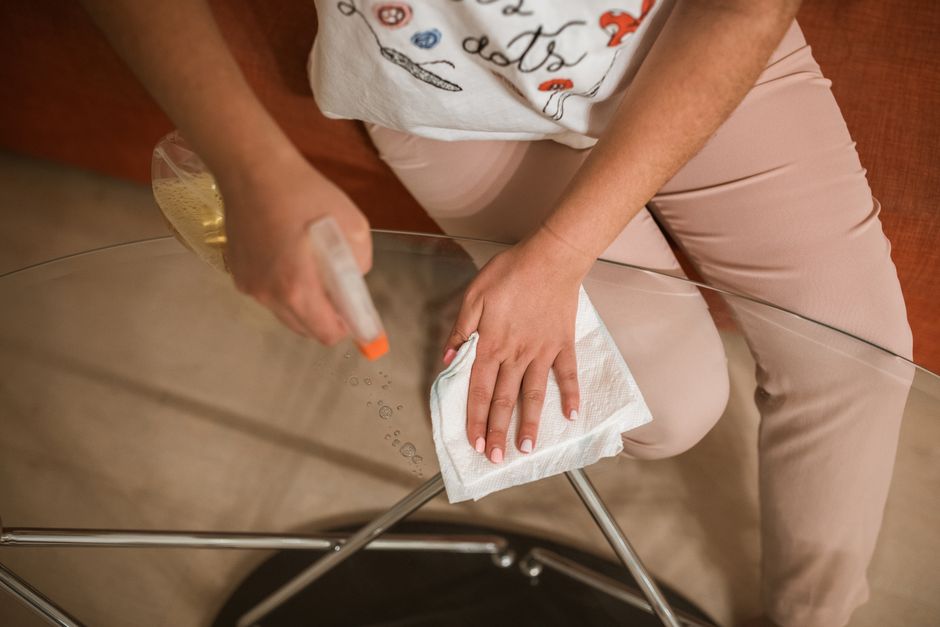
- Blot, do not rub. A clean white cloth or paper towel is ideal. Work from the outside toward the centre if the stain is spreading.
- Test any product first. If you use a cleaner, patch-test it in an inconspicuous area. That is basic but easily overlooked.
- Use minimal moisture. Too much liquid can push the stain deeper into the backing or underlay.
- Apply the correct treatment. Use only what suits the stain and the material. If you are not sure, pause.
- Lift residue. If the stain loosens, remove the remaining solution and dirty moisture carefully.
- Dry the area properly. Open windows if appropriate, use gentle airflow, and keep foot traffic away.
- Check after drying. A stain that looks gone while damp may return. That little after-look matters more than people realise.
If the item is a sofa, mattress, rug, or curtain, the process may need adapting. For example, a velvet curtain does not love the same treatment as a hallway carpet. If you need a softer, fabric-focused approach, specialist services such as curtain cleaning, rug cleaning, and mattress cleaning are often better suited than a general-purpose clean.
Expert Tips for Better Results
Small habits make a big difference in stain recovery. Here are the tips that tend to matter most in real homes and real schedules.
- Work from least aggressive to more targeted methods. Jumping straight to strong chemicals can set stains or damage finishes.
- Use white cloths. Coloured cloths can transfer dye. It happens. More often than you'd think.
- Keep a calm pace. Fast does not mean frantic. Steady hands usually win.
- Drying is part of the clean. If the material stays damp, the stain can migrate or smell later.
- Think about what lies beneath. Underlay, padding, and backing can trap residue even when the top looks better.
- Mind delicate fabrics. Silk, wool, velvet, and antique textiles deserve a gentler touch.
- Handle odour separately when needed. A stain and a smell are related, but not always solved by the same step.
A useful rule of thumb: if you are not confident about the stain type, stop before you make it worse. That may sound cautious, but cautious is often cheaper than replacing a stained item. And yes, a little patience now can save a lot of regret later.
For homes with pets, the challenge is often twofold: mark and smell. That is where pet stain odour removal can be a much better fit than generic surface cleaning. It is more targeted, and it treats the underlying cause rather than just the visible patch.
Common Mistakes to Avoid
Most stain disasters are not caused by the original spill. They are caused by the response. Harsh? Maybe. True? Absolutely.
- Rubbing the stain hard. This often spreads the mark and frays fibres.
- Using hot water too early. Heat can set some proteins, dyes, and oils.
- Over-wetting the area. Too much moisture can drive the stain deeper.
- Mixing products. Some combinations create unwanted reactions or leave residues behind.
- Ignoring the backing or padding. The visible surface may recover while the lower layers stay dirty.
- Delaying action. Fresh stains are easier to remove than old ones, nearly every time.
- Using the wrong method on delicate materials. A quick test is usually worth the extra minute.
A very common mistake is thinking that a stain is gone because the room looks better from standing height. Then you kneel down, or the daylight shifts at 4pm, and there it is. Still there. Sometimes fainter, sometimes not. You will want to check at eye level and in brighter natural light if possible.
Tools, Resources and Recommendations
You do not need a giant kit to handle first-response cleaning. A few sensible items go a long way, and they are worth keeping in a cupboard rather than scrambling for them when something spills.
| Tool or item | Why it helps | Best use |
|---|---|---|
| White microfibre cloths | Lift moisture without dye transfer | Blotting spills on carpets and upholstery |
| Paper towels | Useful for quick absorption | Fresh liquid spills and first containment |
| Soft spoon or blunt scraper | Removes solids gently | Food, mud, wax, or thick residue |
| Small fan or airflow | Speeds drying | Post-treatment drying and odour control |
| Patch-test cleaner | Checks fabric safety first | Any unknown product on a hidden area |
| Protective gloves | Helps with hygiene and skin sensitivity | Pet mess, unknown contaminants, strong cleaners |
In terms of service choices, it is helpful to think about the material first and the stain second. A carpet spill may benefit from steam carpet cleaning or a more targeted carpet cleaning approach. A sofa spill may need sofa cleaning or broader upholstery cleaning. A rug can need its own technique entirely, especially if it is handwoven or delicate.
If you are comparing providers, it is sensible to review practical details such as pricing and quotes, insurance and safety, and the company's approach to health and safety. Not glamorous, perhaps, but very useful when you need confidence under pressure.
Law, Compliance, Standards, or Best Practice
Urgent cleaning work should be carried out with sensible safety practices, appropriate product use, and care for the property and its occupants. In the UK, there is no single rulebook for every stain, but good practice is fairly consistent: use suitable chemicals, follow product instructions, protect delicate materials, and avoid creating new hazards through wet floors, residue, or poor ventilation.
For homes, tenants, and landlords, the practical standard is simple. The work should be safe, proportionate, and respectful of the item being cleaned. For businesses, extra care may be needed around access, customer traffic, staff movement, and hygiene expectations. That is especially true in offices, hospitality spaces, and shared buildings where cleaning must fit around people rather than interrupt them.
Responsible providers also tend to take data, payment, and complaints processes seriously. If you are assessing a company, it is reasonable to review terms and conditions, payment and security, and complaints procedure. If sustainability matters to you, you may also want to understand a company's recycling and sustainability approach.
One more point that matters in real life: if a stain involves bodily fluids, mould, or anything that may pose a health concern, it is wiser to treat it as a higher-risk clean and avoid casual DIY handling. That is not being dramatic; that is just sensible.
Options, Methods, or Comparison Table
Not every stain needs the same response. In fact, choosing the wrong method is one of the fastest ways to waste time. Here is a simple comparison that may help.
| Method | Best for | Pros | Limitations |
|---|---|---|---|
| Blotting and spot treatment | Fresh liquid spills | Fast, low-cost, good first response | May not remove deep residue |
| Targeted specialist cleaning | Wine, coffee, ink, grease, pet mess | More precise, less risk to fabric | Requires correct identification and products |
| Low-moisture professional clean | Delicate upholstery or rugs | Less saturation, quicker drying | May need repeated passes for heavy staining |
| Hot-water extraction | Carpets with embedded soil and liquid marks | Deep fibre cleaning, strong overall refresh | Not ideal for every fabric or fibre type |
| Odour-focused treatment | Pet accidents or lingering smells | Targets smell as well as the stain | May be needed alongside stain removal, not instead of it |
If you are unsure, the safest approach is usually to match the method to the material first. A carpet in a busy hallway can take more robust treatment than a velvet chair or antique fabric. A professional will normally assess that difference before starting. Sensible, really.
For bigger post-incident recovery, services like after builders cleaning, move-out cleaning, or end of tenancy cleaning may also become relevant if the stain is part of a wider property reset.
Case Study or Real-World Example
A common Dulwich scenario goes like this. A household is preparing for visitors later that evening. Someone carrying drinks through the lounge knocks over a mug of coffee onto a pale rug. The spill is noticed quickly, but there is a debate: should it be blotted now, or should someone wait until after lunch to deal with it properly? That pause alone can change the result.
In a sensible response, the first step is to blot the liquid with a clean white cloth, avoiding any rubbing. Next, the rug is checked for fibre type and any dye sensitivity. If the mark is still visible after initial lifting, a targeted treatment is chosen rather than a general cleaner from under the sink. The area is then dried carefully with airflow and checked again once dry.
What usually makes the difference is not one miracle product. It is the sequence: fast action, careful product choice, low moisture, and proper drying. In this sort of real-world situation, a professional same-day visit can turn a worrying mark into something much more manageable. Not perfect every time, of course, but much better than guessing.
A similar pattern applies in rental properties. If a tenant notices a mark just before checkout, a rapid intervention can help preserve the condition of the flooring or furniture. For hosts, it can save an arrival day from becoming a scramble. And for family homes, it can simply return the room to normal before the stain becomes the main event.
Practical Checklist
Use this quick checklist if you are dealing with an urgent stain right now.
- Identify the spill and the surface.
- Remove solids gently if present.
- Blot with a clean white cloth or paper towel.
- Do not rub the stain.
- Do not use excessive water.
- Patch-test any product before use.
- Keep children and pets away from the area.
- Improve airflow where safe to do so.
- Check the stain again after drying.
- Call for professional help if the item is delicate, valuable, or still stained.
Quick takeaway: the first ten minutes matter, but the next few hours matter too. Drying, residue removal, and a second check are what often separate a temporary blemish from a lasting problem.
Conclusion
Emergency stain removal and urgent cleaning in Dulwich SE22 is about making quick, sensible decisions when a spill, mark, or accident cannot wait. The best results usually come from calm first aid for the stain, the right method for the material, and proper drying afterwards. Whether you are dealing with a carpet, sofa, rug, curtain, or mattress, the goal is the same: limit damage, preserve the item, and get your space back to normal as smoothly as possible.
If you are weighing up whether to tackle the stain yourself or bring in help, ask one simple question: is the item important enough that you would rather not gamble on it? If the answer is yes, getting a fast professional opinion is usually a smart move. And if you want to compare options, a quick look at contact-us and the company's about-us pages can help you feel more confident about who you are inviting into your home.
Get a free quote today and see how much you can save.
Sometimes the best result is simply getting the room back to itself again. Quiet, clean, ready. That little bit of relief counts for a lot.
Frequently Asked Questions
How quickly should I act after a spill on carpet or upholstery?
As quickly as you can. Fresh spills are usually easier to lift before they bind to fibres or dry into the backing. Even a few minutes can make a difference, especially with wine, coffee, ink, or greasy food.
Should I use hot water to remove a stain?
Not automatically. Hot water can set some stains, especially protein-based marks and certain dyes. If you are unsure what caused the stain, start cautiously and avoid heat until the material and stain type are clear.
What is the safest first response to most stains?
Blot gently with a clean white cloth, remove any solids carefully, and keep moisture controlled. Avoid rubbing. That simple approach is often the best first move while you decide whether specialist treatment is needed.
Can urgent cleaning remove old stains too?
Sometimes, yes, but older stains are more difficult because they have had time to set. The success rate depends on the stain type, the fabric, and whether any previous cleaning left residue behind.
Is same-day stain removal available in Dulwich SE22?
It often can be, depending on availability and the type of issue. Same-day or urgent visits are most useful when the stain is fresh, the item is valuable, or you have a deadline such as guests, inspections, or a checkout.
What should I do if the stain is on a delicate fabric?
Be very careful and avoid random spot treatments. Delicate materials such as velvet, silk, wool, and some blended fabrics can be damaged by over-wetting or strong chemicals. Patch-testing and specialist care are usually the safer route.
Does urgent cleaning also help with smells?
Often it does, but not always on its own. A stain can be removed while an odour remains in the fibres or padding. For pet accidents and similar issues, a targeted odour treatment may be needed alongside stain removal.
How do I know if DIY cleaning has made the problem worse?
If the stain spreads, the area feels overly wet, the fabric changes texture, or the mark returns after drying, the issue may have been pushed deeper. That is a good point to stop and assess whether professional help would save the item.
What kind of stains are hardest to remove?
Ink, dyes, grease, some food colouring, pet accidents, and old dried spills can be stubborn. The hardest cases are usually those where the wrong product was used first, because that can lock the stain in further.
Can emergency stain removal damage my carpet or sofa?
If the wrong method is used, yes. That is why matching the treatment to the material matters. A proper service should always assess fabric type, patch-test where sensible, and avoid unnecessary moisture or harsh chemicals.
Do I need specialist cleaning after a pet accident?
In many cases, yes, especially if there is odour or the spill has reached padding beneath the surface. Pet accidents often need both stain and smell treatment, not just a quick wipe on top.
What should I ask before booking urgent cleaning?
Ask what materials they cover, how they handle delicate fabrics, whether they are insured, how they price urgent work, and what happens if the stain does not fully respond on the first pass. Those questions save surprises later.
Is urgent cleaning worth it for a small stain?
If the item is important, the fabric is delicate, or the stain is likely to spread, yes. A small mark on the wrong surface can become a much bigger issue if it is left or treated badly. Small now, bigger later - that is the trap.